Smoldering Dissolve
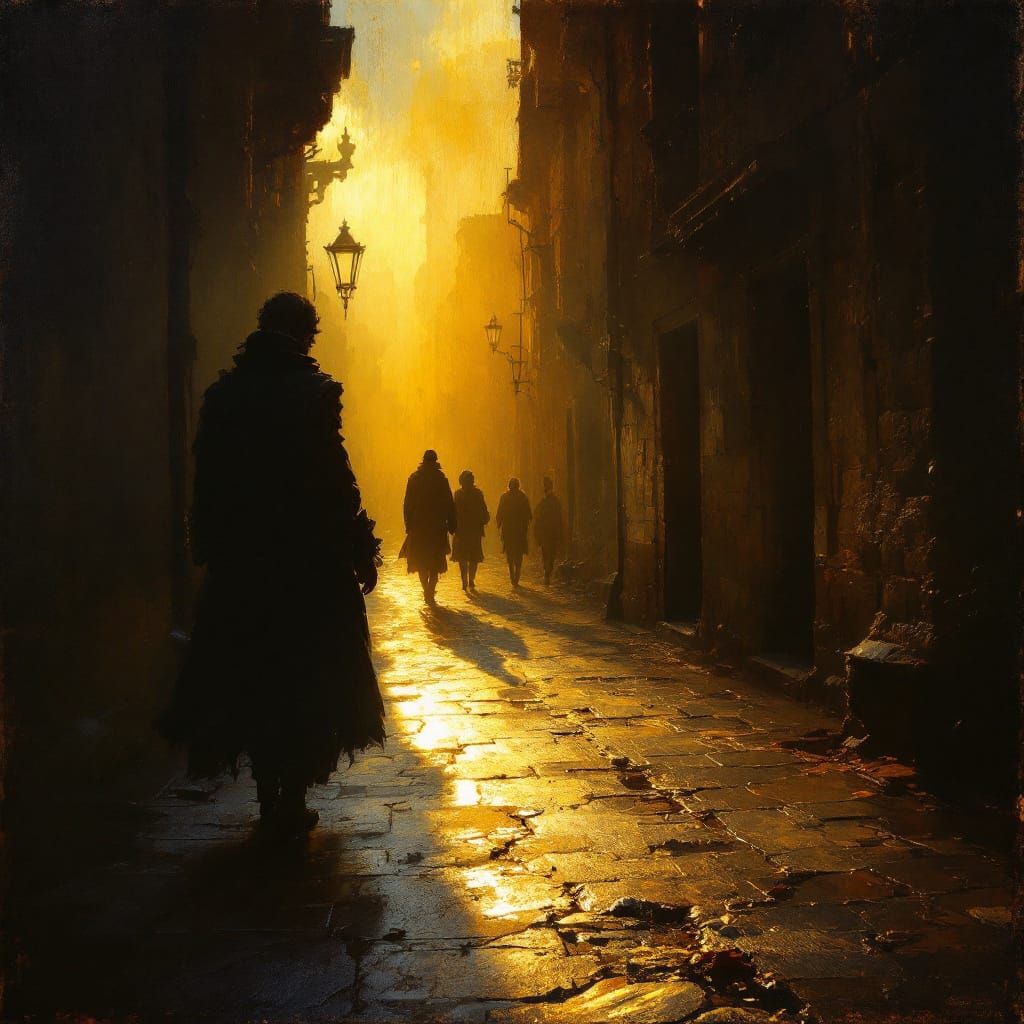
Style #543 · Painterly · sample rendered with flux-pro-1-1
Other models
The same style prompt and the same subject, rendered by a different model.
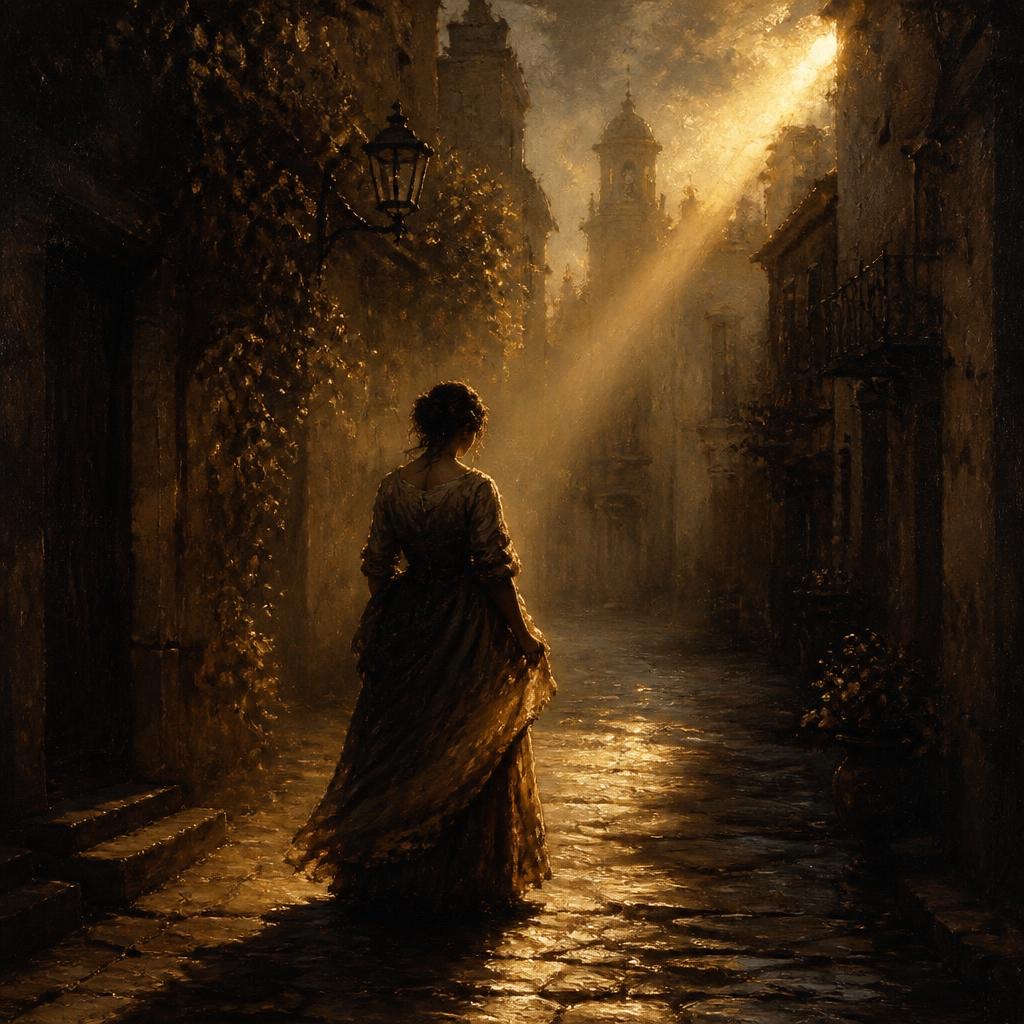
gpt-image-2-low
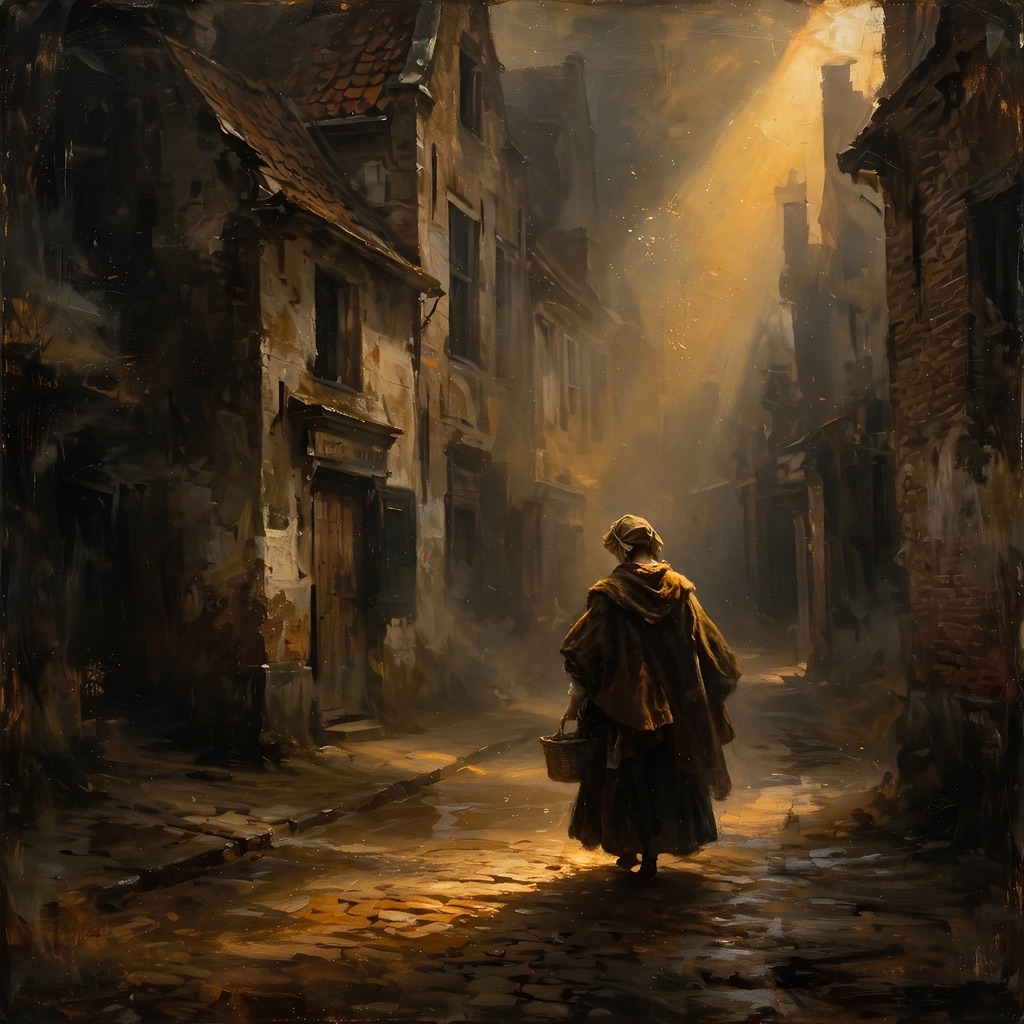
muse-image-1.0
Style prompt
Rembrandt van Rijn + Craig Mullins + Baroque solemnity, where Rembrandt's low-key chiaroscuro creates smoldering luminosity through a narrow umber-and-ochre range lit from a single directional source, Mullins' loose atmospheric brushwork produces dissolving edges via broad tonal massing and suspended haze, and Baroque solemnity infuses hushed ceremonial gravity. The fusion manifests as oil-soft transitions over selectively sharpened detail, deep transparent shadow, and warm highlight bloom, transforming any subject through amber-to-black tonal compression where impasto ridges catch light and glazed passages recede.
Model-neutral prompt
Same look, with artist names and copyrighted references removed — clears content filters.
Dutch Golden Age chiaroscuro + loose concept-art atmospheric painting + Baroque solemnity, where the low-key chiaroscuro creates smoldering luminosity through a narrow umber-and-ochre range lit from a single directional source, the atmospheric brushwork produces dissolving edges via broad tonal massing and suspended haze, and Baroque solemnity infuses hushed ceremonial gravity. The fusion manifests as oil-soft transitions over selectively sharpened detail, deep transparent shadow, and warm highlight bloom, transforming any subject through amber-to-black tonal compression where impasto ridges catch light and glazed passages recede.
Effect-only prompt
The same look with the recipe removed — no artists, no wild card, no movements. Describes only what the style does to a surface.
A narrow umber-and-ochre range compresses values from glowing amber to transparent black beneath a single directional light. Broad tonal masses dissolve into suspended haze, while oil-soft transitions preserve only selectively sharpened details. Warm highlights bloom against deep glazed shadows, and restrained contrast creates hushed gravity. Raised impasto ridges catch illumination as thin, receding passages absorb it.