Inverted Stipple Etching
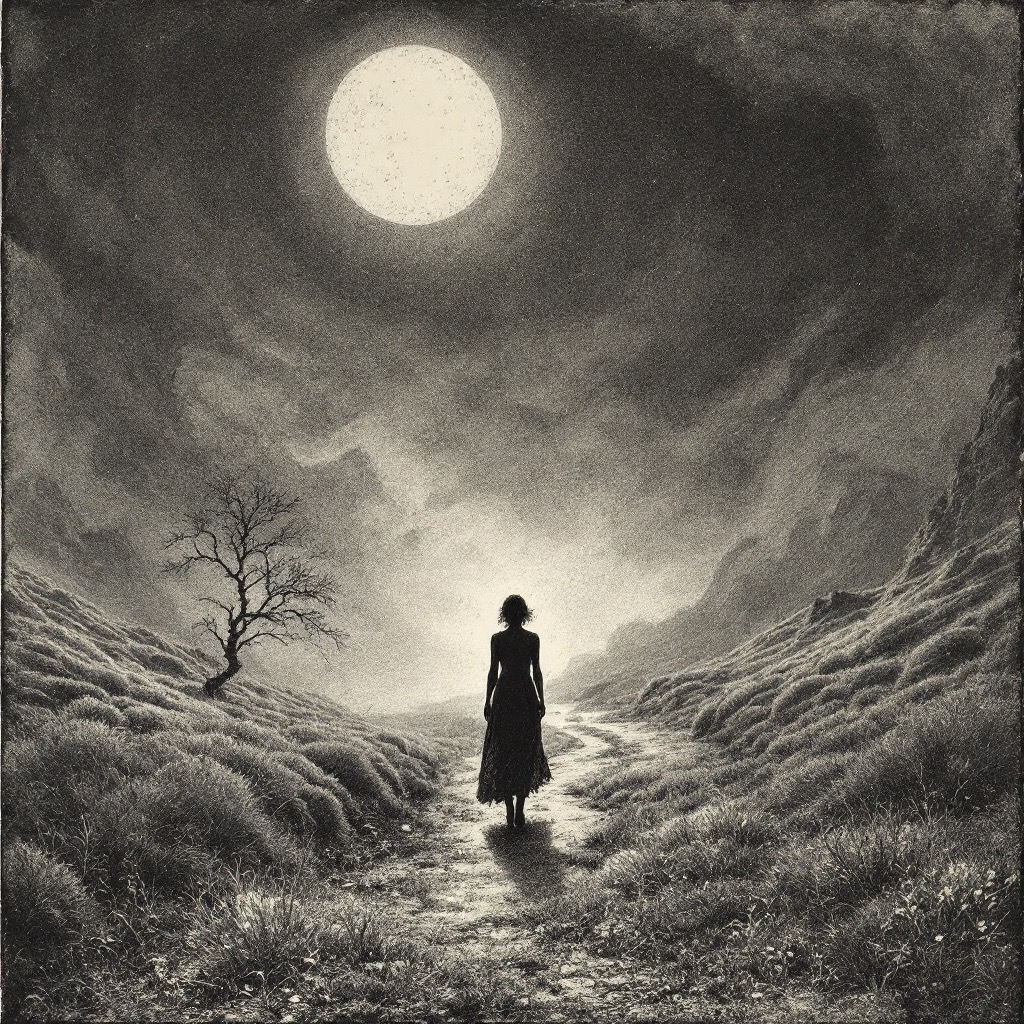
A print/graphic AI art style prompt drawing on Romanticism and Symbolism. Copy the prompt below into any text-to-image model, then add your own subject at the end. The prompt only describes the look.
The blend
The prompt combines 3 ingredients and gives each one a job:
- Rodolphe Bresdin — Bresdin's minute cross-hatching with scraped-out lights creates dense lacework detail through needle line.
- Hercules Segers — Segers' selective plate wiping produces pooled hollows and sparse empty atmosphere via ink left in recesses.
- Stippled ink over hand-carved relief toned like a photographic negative — The carved negative infuses inverted tonality through pale stipple dots glowing against dark ground.
The fusion manifests as scratched highlights floating free of edges, deep shadow pockets, and stipple thinning to bare ground, transforming any subject through monochrome inner-lit etching.
On 4 models
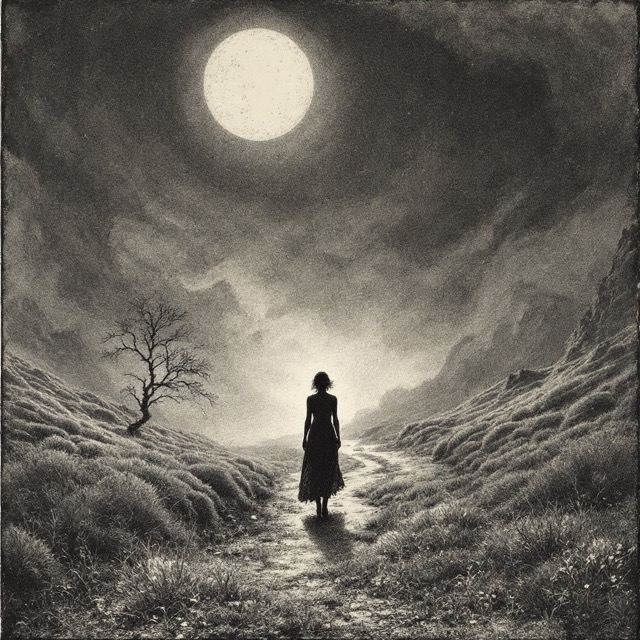
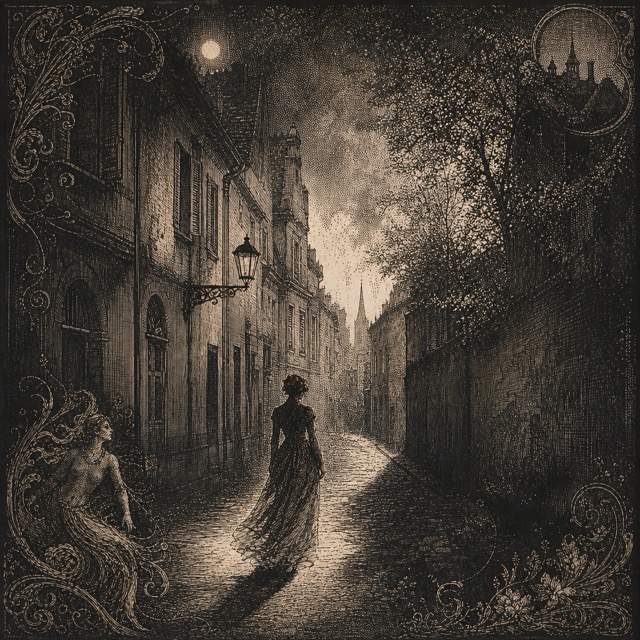
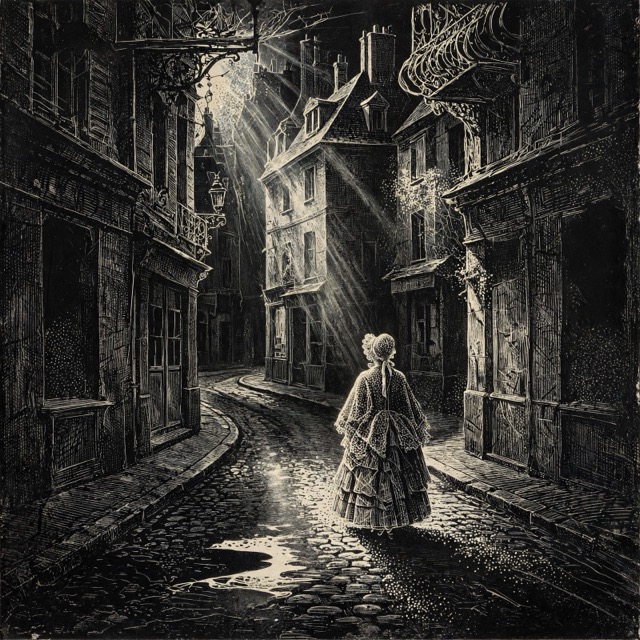
The same prompt and the same subject, rendered by different image models — so the differences are the model, not the prompt.
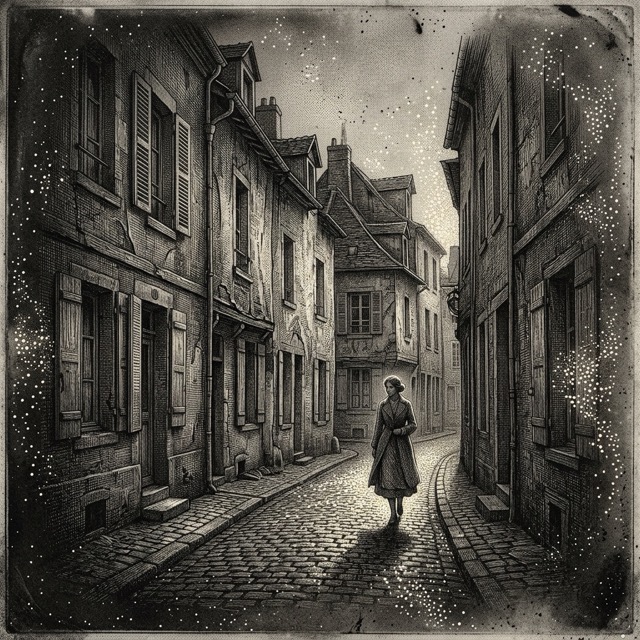
The prompt
Original
Rodolphe Bresdin + Hercules Segers + stippled ink over hand-carved relief toned like a photographic negative, where Bresdin's minute cross-hatching with scraped-out lights creates dense lacework detail through needle line, Segers' selective plate wiping produces pooled hollows and sparse empty atmosphere via ink left in recesses, and the carved negative infuses inverted tonality through pale stipple dots glowing against dark ground. The fusion manifests as scratched highlights floating free of edges, deep shadow pockets, and stipple thinning to bare ground, transforming any subject through monochrome inner-lit etching.
Render on BudgetPixel: FLUX 1.1 pro · GPT-Image-2 · Muse 1.0 · Nano Banana 2.1
Model-neutral
The same look with artist names and copyrighted references removed — for models that refuse them.
Nineteenth-century French fantastical pen and lithographic etching + seventeenth-century Dutch experimental plate-tone etching + stippled ink over hand-carved relief toned like a photographic negative, where minute cross-hatching with scraped-out lights creates dense lacework detail through needle line, selective plate wiping produces pooled hollows and sparse empty atmosphere via ink left in recesses, and the carved negative infuses inverted tonality through pale stipple dots glowing against dark ground. The fusion manifests as scratched highlights floating free of edges, deep shadow pockets, and stipple thinning to bare ground, transforming any subject through monochrome inner-lit etching.
Render on BudgetPixel: FLUX 1.1 pro · GPT-Image-2 · Muse 1.0 · Nano Banana 2.1
Effect only
The recipe removed — no artists, no wild card, no movements. Only what the style does to a surface.
Monochrome throughout. Extremely fine crosshatched needle line packs the focal area into a dense lacework, and scraped-out highlights float free of edges. Pale stipple dots sit on a dark ground over cut relief, so values read inverted and forms seem lit from inside. Ink pools in recessed hollows as deep shadow pockets. Detail thins gradually into sparse, nearly bare atmosphere.
Render on BudgetPixel: FLUX 1.1 pro · GPT-Image-2 · Muse 1.0 · Nano Banana 2.1
Using it
- Paste the prompt, then add your subject after it — for example …, a lighthouse on a cliff at dusk.
- The original names artists. Some hosted models refuse that or quietly render around it — on those, use the model-neutral version, which describes the same handling without the names.
- The effect-only version drops the recipe altogether and describes only what the style does to a surface. Use it to mix this look into another style, or when you want nothing traceable to a source.
- Every sample here was rendered against the same short subject — Quiet streets whisper / Her footsteps echo softly / Sunlight paints her path — so it shows the style, not a lucky subject.
Tags
Similar styles
 Torn Indigo ContactMary Cassatt + Anna Atkins + ukiyo-e woodblock line with Victorian scrapbook collage, where Cassatt's layered chalk…
 Pitted Chalk HalationEric Ravilious + Hercules Segers + infrared film photography, where Ravilious's dry-brush over wax resist creates…
 Glazed Porcelain MurkMark Ryden + Zdzisław Beksiński + oil on fine-weave canvas, where Ryden's thin oil glazing creates porcelain-smooth…
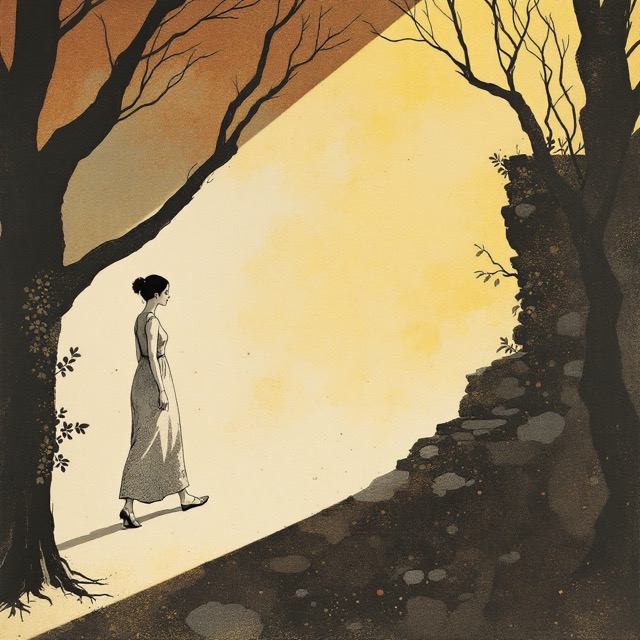 Smoked Amber MisprintIda Rentoul Outhwaite + Raymond Savignac + offset lithograph with imperfect registration on aged paper, where…
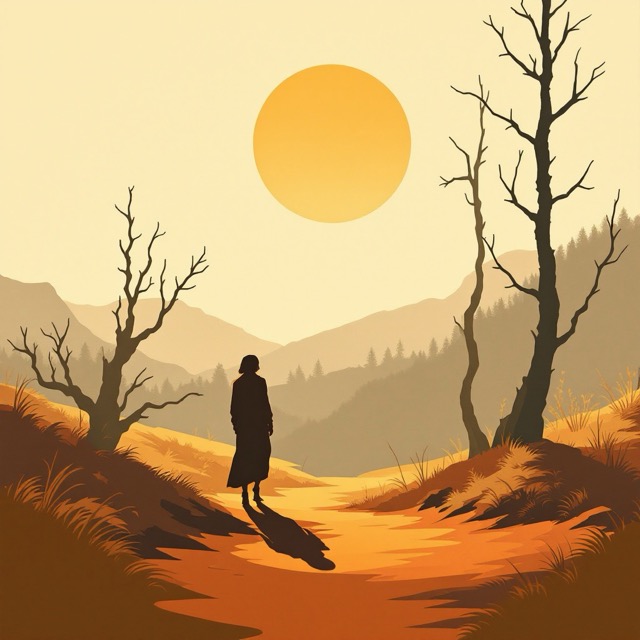 Hazed Sienna PosterplanesEyvind Earle + Tom Haugomat, where Earle's hard-edged flat-shape stylisation creates crisp graphic silhouettes through…
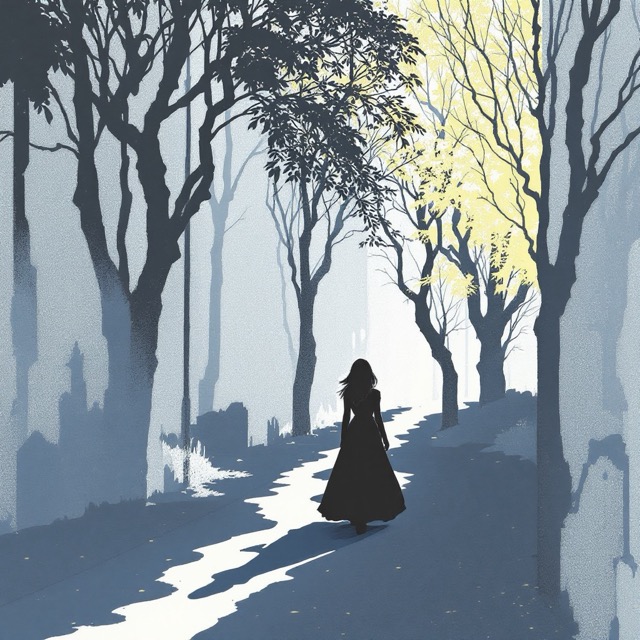 Ghosted Segment StencilMaija Isola + Harry Clarke + Elektronika IM-02 Nu, Pogodi! LCD handheld, where Isola's hand-cut stencil screenprinting…
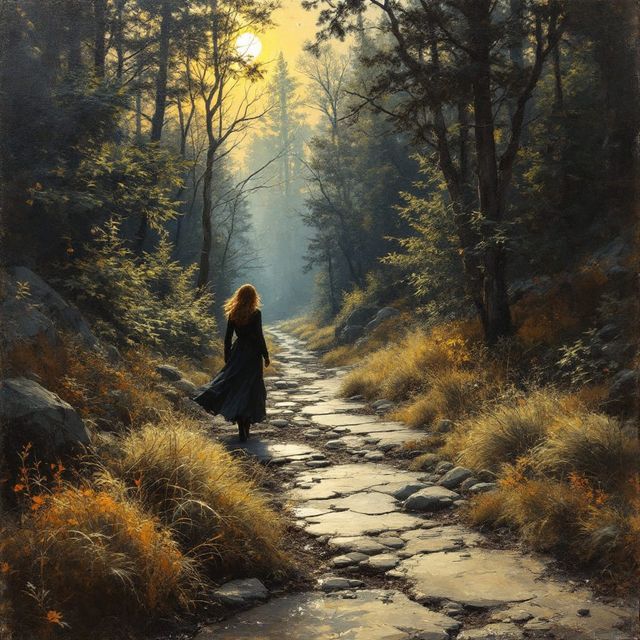 LuminousTextureA fusion of James Gurney + Winslow Homer + atmospheric narrative realism where Gurney's masterful handling of light…
 Gnarled Ink ImpastoTim Burton + Camille Rose Garcia + acrylic on canvas-grained panel, where Burton's brittle ink line creates spiky,…